550 Kilometres, 46 Hours, One Pair I Didn't Want to Take Off
Written by Tess Johnston-Iafelice
At 4:00 a.m. on April 3, 2026, I set off from Los Angeles as part of an all-female team taking on The Speed Project: a 550-kilometre relay from Los Angeles to Las Vegas. Forty-six hours of nonstop running through desert highways, mountain passes, and some of the most remote roads in the American Southwest.
The Speed Project is unlike any race I've ever experienced. There are no aid stations, no course marshals, and no traditional race structure. Teams are responsible for their own navigation, logistics, fueling, safety, and pacing. The objective is simple: get from Santa Monica to Las Vegas as fast as possible.
Our team consisted of six runners, a photographer, and a crew responsible for driving, navigation, fueling, and keeping us moving. Most of us had never raced together before. What connected us was a willingness to trust each other and commit to a challenge that would demand far more than any of us could predict.
The first day was a blur of constant movement. We rotated through short running segments while leapfrogging ahead in support vehicles, using every spare minute to eat, hydrate, stretch, and sleep. Early plans changed quickly as logistics evolved, but the team adapted. That's one of the defining features of The Speed Project: success belongs to the teams that solve problems well.
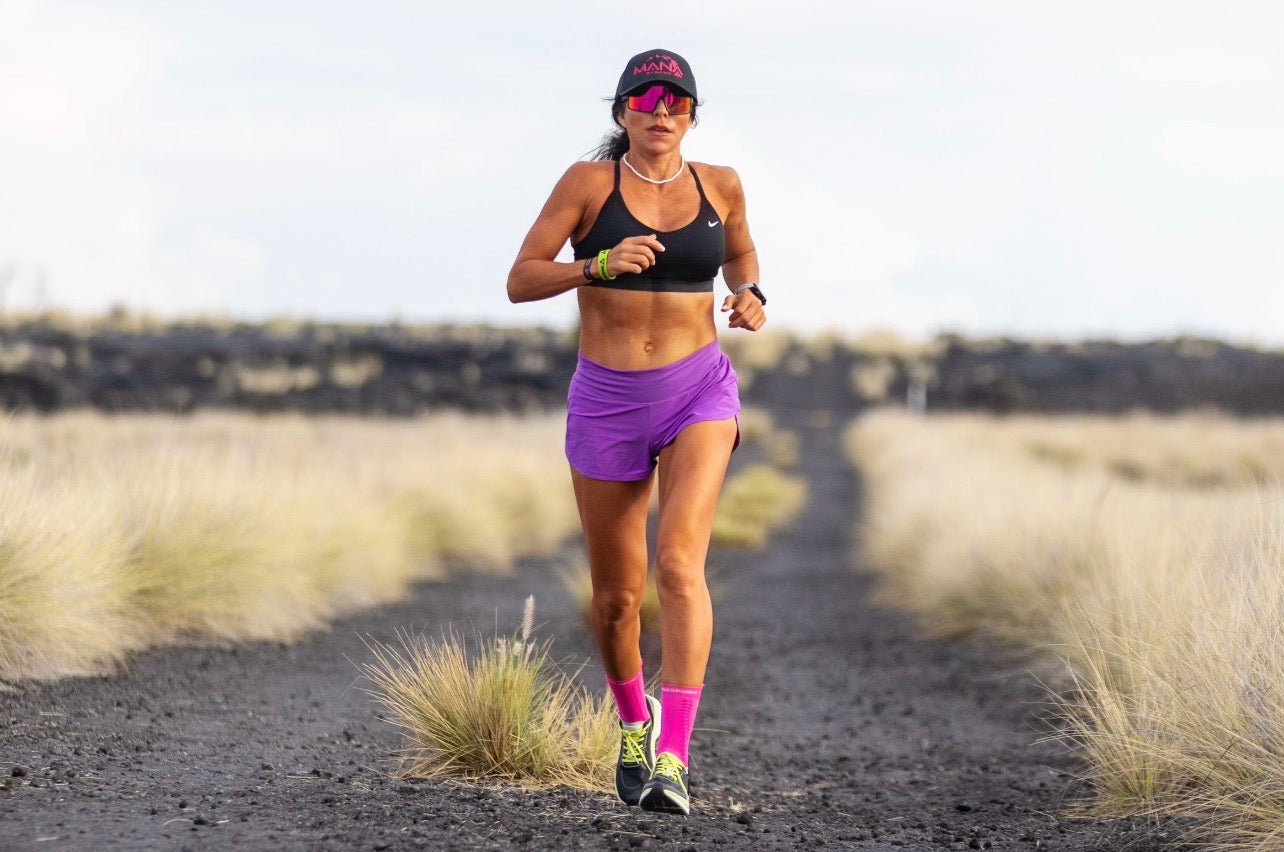
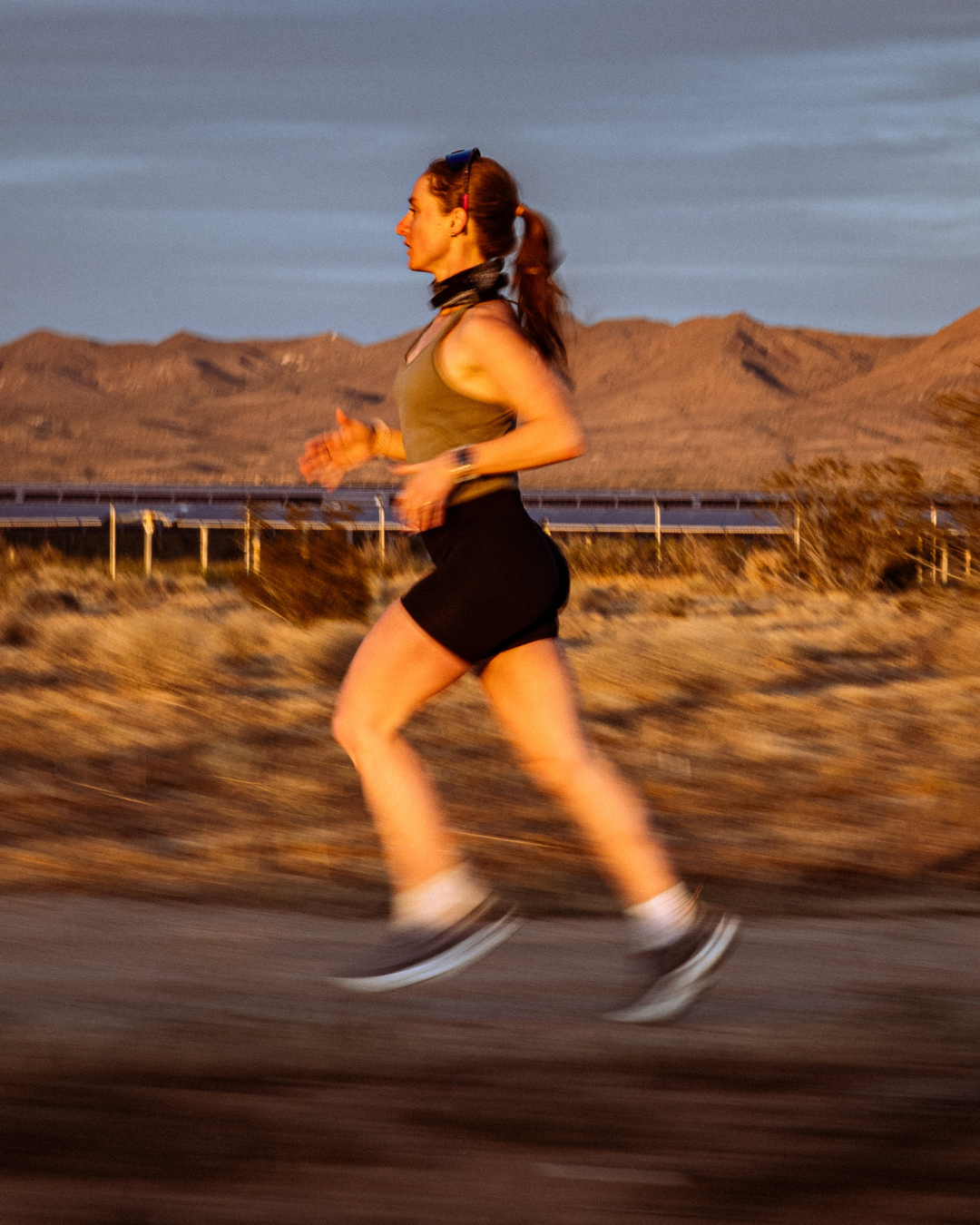
The race delivered everything we'd heard about and more. Extreme heat, sleep deprivation, long stretches of isolation, unexpected route challenges, and the constant mental calculation of how to keep moving efficiently. We passed a wildfire that later forced reroutes for teams behind us. We navigated through sections where there were no other runners in sight for hours. By the second night, fatigue had become part of the environment.
One thing I didn't expect was how little I would think about my footwear.

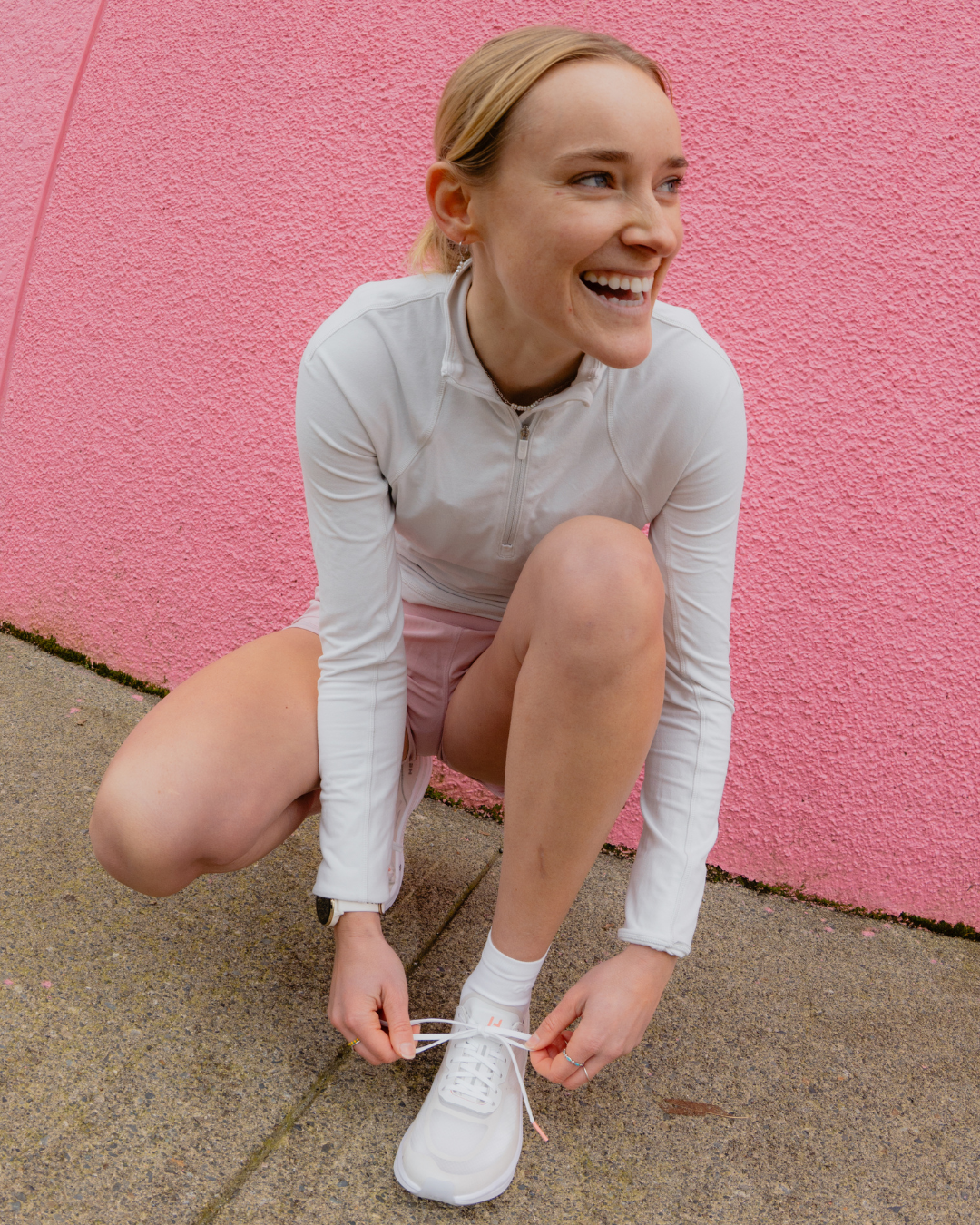
For an event like this, I came prepared. I brought four different pairs of running shoes intending to rotate throughout the race and give my feet a break. Instead, I ended up running approximately 75 of the 84 kilometres I completed in my Hettas.
Every time I considered changing shoes, I couldn't find a reason to do it.
The combination of stability, security, and responsiveness was exactly what I needed during an event where conditions changed constantly. Whether I was running smooth pavement, rough shoulders, desert roads, or climbing through tired late-race kilometres, the shoes felt reliable. As fatigue accumulated and form inevitably started to break down, that sense of stability became even more valuable.
In a race where almost everything felt uncertain, my footwear was one thing I never had to think about.
As we moved deeper into the desert, our team chose the original Speed Project route through Death Valley. It's longer, more remote, and far less traveled than many of the alternative options. For stretches of the race, we saw almost nobody. Just road, mountains, desert, and sky.
After more than 40 hours on the move, every runner was digging deep. Rotations became tighter, transitions became faster, and the finish line finally started to feel real.

Forty-six hours and two minutes after leaving Los Angeles, all six runners regrouped for the final kilometres into Las Vegas. We crossed the finish line together.
Later we learned that we had finished 10th out of 30 teams on the original route and were the only all-female team to take it on.
I ended up running 84 kilometres, significantly more than I had expected when the race began. Yet what stands out most isn't the distance. It's the experience of working toward a common goal with a group of people willing to keep showing up for one another, hour after hour, through heat, fatigue, uncertainty, and everything else the desert had to offer.
Would I do The Speed Project again? Absolutely.
And when I do, I'll probably pack fewer shoes.