

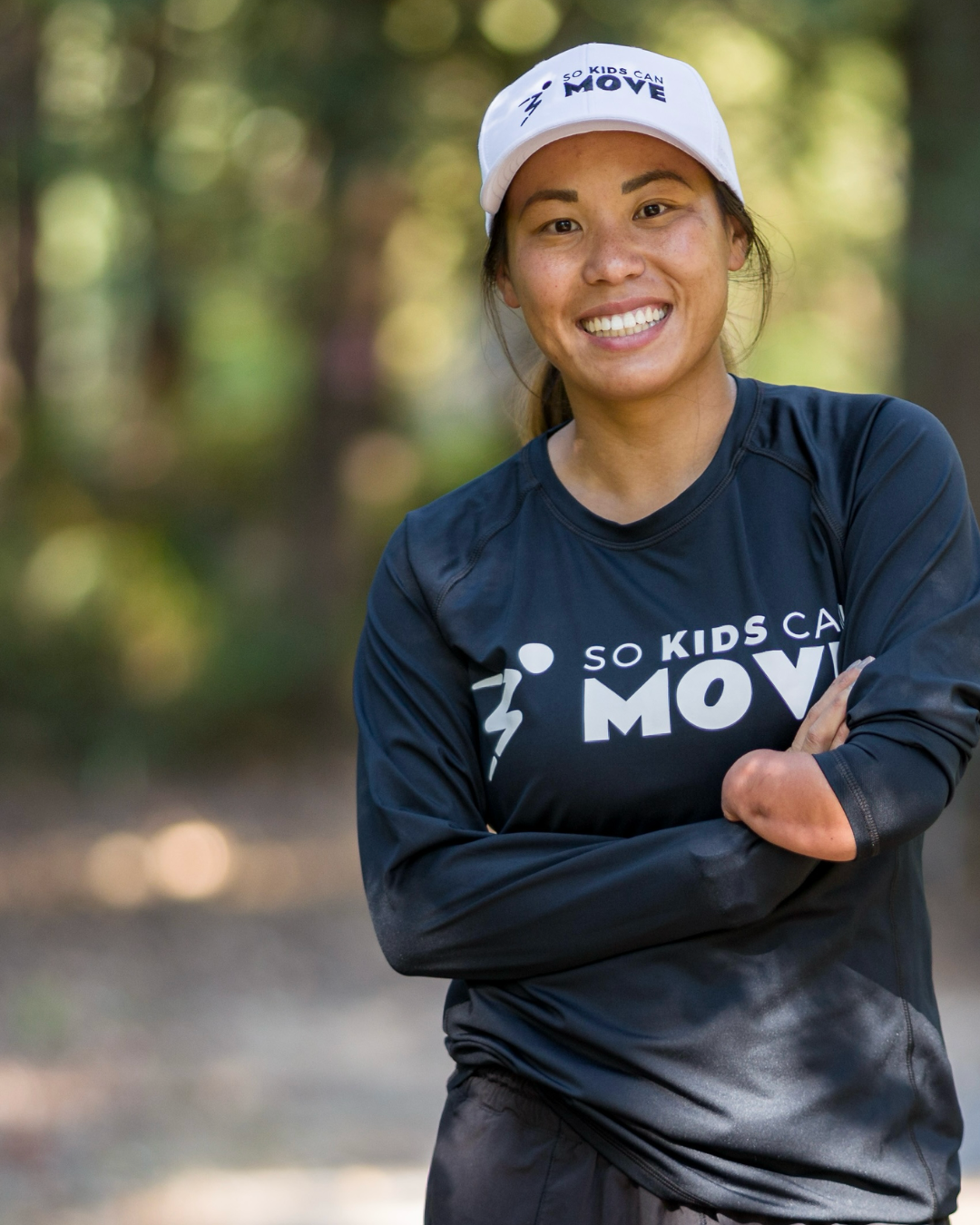
PICKUPS with Leah Kaplan
Leah Kaplan is an adaptive triathlete, disability advocate, and age group podium finisher currently training for her first Ironman. But her work extends well beyond competition — through her platform and partnerships with organizations like Move United and the Challenged Athletes Foundation, she's pushing for greater visibility and access in sport.
Her message is simple: movement belongs to every body. Read more below.
How does running make you feel?
Running gives my day a sense of accomplishment; from the first step to the last, I love the feeling of movement and progress. It’s refreshing to see the world at a slower, more connected pace rather than through a car window, leaving me feeling stronger, more present, and grateful.
Name a woman who inspires you.
Nicole Ver Kuilen (@runforeststump) has built a wonderful community called SoEverybodyCanMove for adaptive athletes while also driving real change. As a below-the-knee amputee, Nicole understands the challenges of prosthetic access and started a campaign to ensure everyone, in every state, can move freely. Many take this for granted, without realizing the long and difficult journey it takes to obtain a high-quality prosthetic.
Which is your favourite: swim, bike, or run, and why?
Swim! I have been swimming longer than any sport and I like that it’s the first event of a triathlon. Once you start in the water, you just forget every worry you had prior to the race.
We were so excited to learn that you are coached by a woman – we'd love to learn more about this partnership and how you connected with her.
My coach, Shannon Clawson (@SciTri), is based in Salt Lake City. She is not only an incredible inspiration to me but also a strong and influential female leader. We initially connected through a shared sense of humor, and I immediately felt understood by her. Shannon understands my outgoing personality and never questions it as a reflection of my dedication to sport.
Having a female coach has also created a sense of safety and support for me to discuss topics like menstrual cycles, which can impact individual performance in ways that are not well understood. Female athletes should have access to female coaches because representation matters.
Most importantly, Shannon believes in my goals and is committed to helping me push past my limits. She wholeheartedly believed in my journey, regardless of wins or losses.
What's one thing that you learnt from your current coach?
The importance of recovery as a key component of training, alongside maintaining a fun and supportive relationship. She has taught me discipline with the flexibility to adjust my goals as I grow. This approach has transformed how I train— the connection with my coach has made the journey enjoyable, without the stress of perfection.
Which Hettas are you currently training in?
Alma Tempo for short runs (up to 5 miles) and my alma cruise for long runs (up to 10 miles). They could be a game-changer for your training and racing because they’re specifically designed for women’s feet, with thoughtful details like a lower heel cup, snug instep, and breathable mesh to prevent pressure points—especially important for long training sessions and races.
What’s something you thought you couldn’t do, but did?
I used to think I couldn’t balance intense training with the demands of everyday adult life. I made elite sport a true part of my life; committing to the work, the sacrifices, and the journey, and in doing so, turned my passion into something bigger. Finding that balance wasn’t easy, but when I did, I became stronger in every way.
What song gets you fired up before a run?
Cruel Summer by Taylor Swift (and most Taylor Swift songs!)
What’s one thing you wished that all advocates of sport understood about adaptive athletics and the unique challenges adaptive athletes face?
The challenges we face go beyond physical adjustments; it’s about overcoming the constant need to prove our worth in a space where we’re often seen as “less capable.” While we may compete in the same events, the preparation, equipment, and mental hurdles are vastly different; requiring a level of creativity, adaptability, and resilience that most don’t fully see. Understanding this isn’t just about acknowledging the barriers—it’s about recognizing the extraordinary effort and innovation it takes to thrive in a world that wasn’t built for us.
How can the sporting community best act as allies to adaptive athletes?
Educating themselves on the unique challenges we face and advocating for equal access and opportunities. It’s important to recognize that as disabled people, we aren’t asking for acceptance—we’re asking for respect and the same access as any other athlete — which means understanding that we belong and deserve the same resources, recognition, and support to succeed in our sport. True allyship comes from treating us as equals, not as exceptions.

Read more
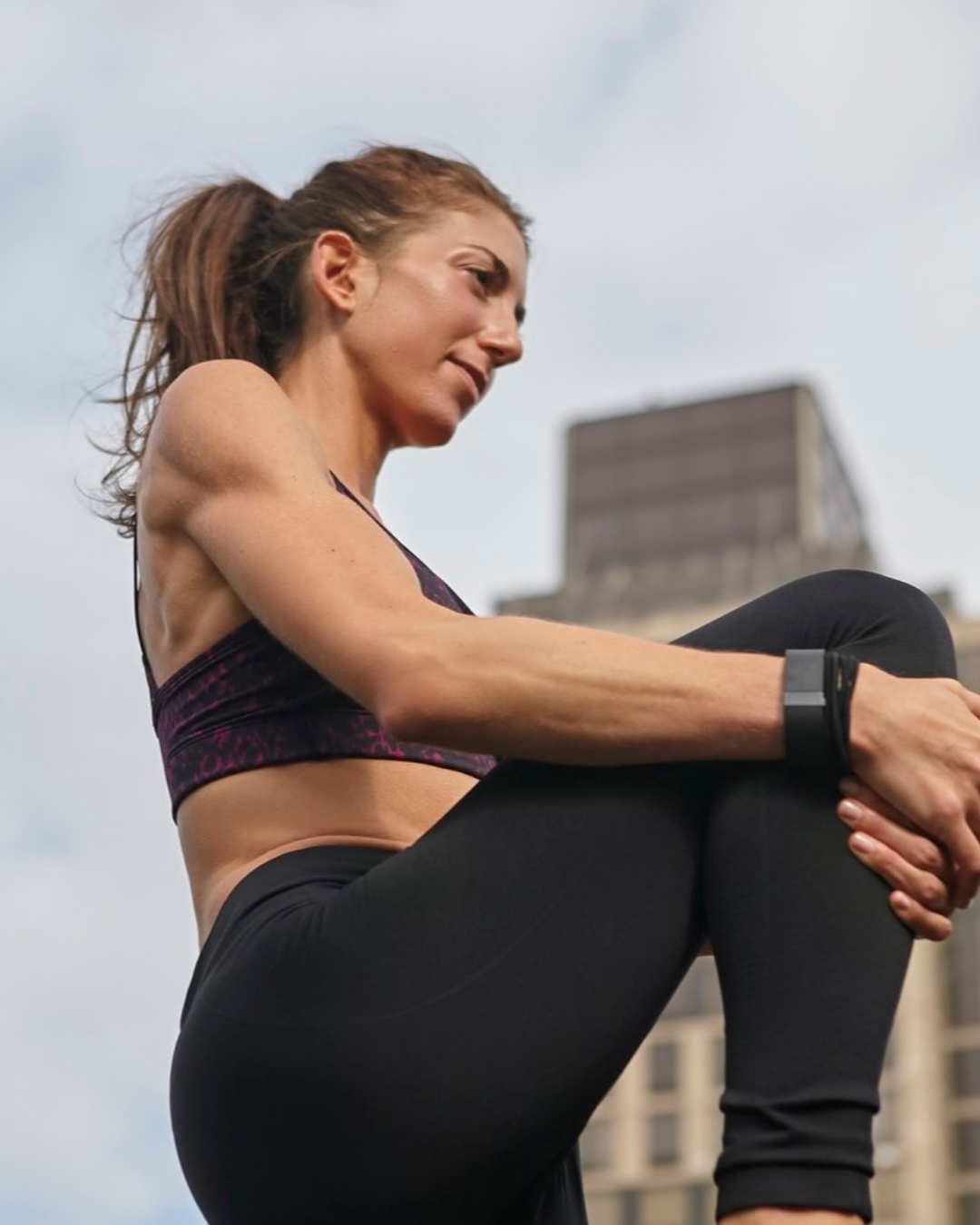
Take a minute to get to know Alli—member of the Hettas community, lifelong runner, and certified run coach.
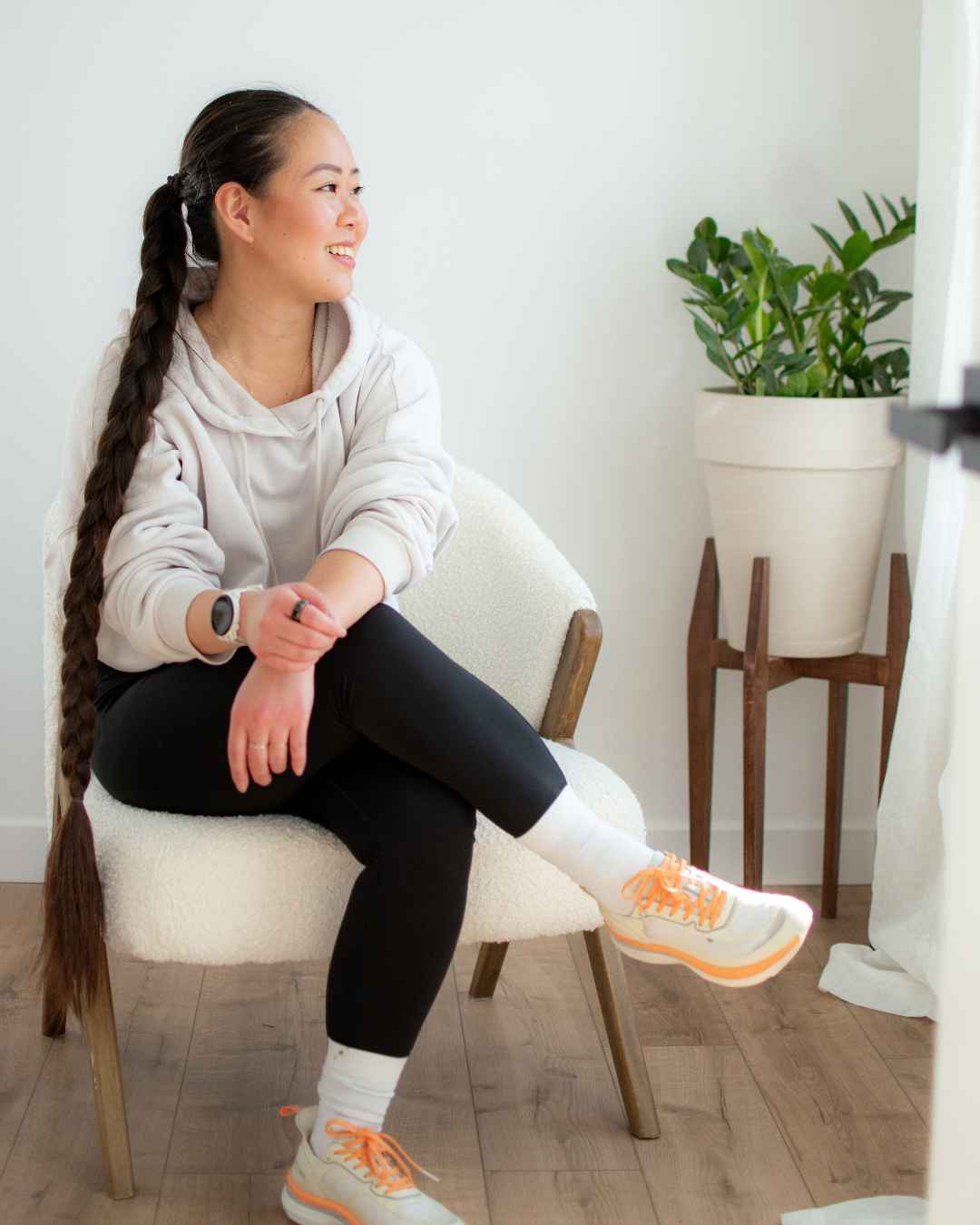
Take a minute to get to know Amanda—she's a Hettas Ambassador and integral part of our community. As someone who previously "hated" running, Amanda is proof we can push through our own limitations ...